TraMod Talks with Ryota Matsumoto May 2023
>100 Views
October 24, 23
スライド概要
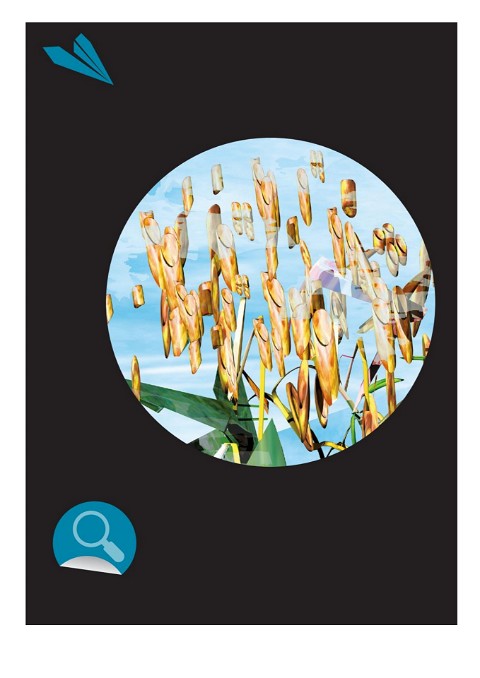
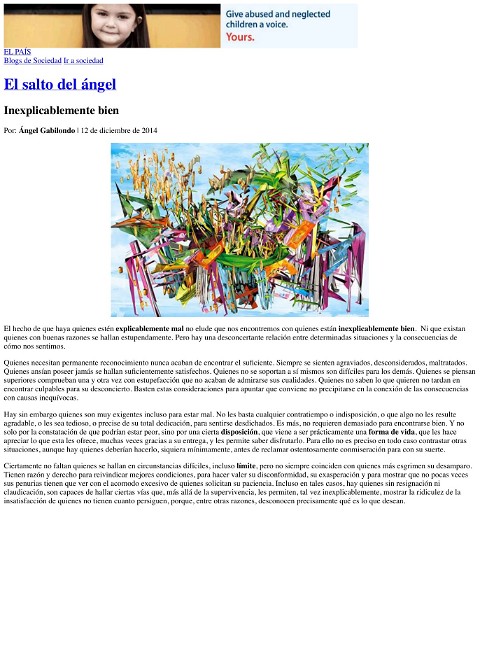
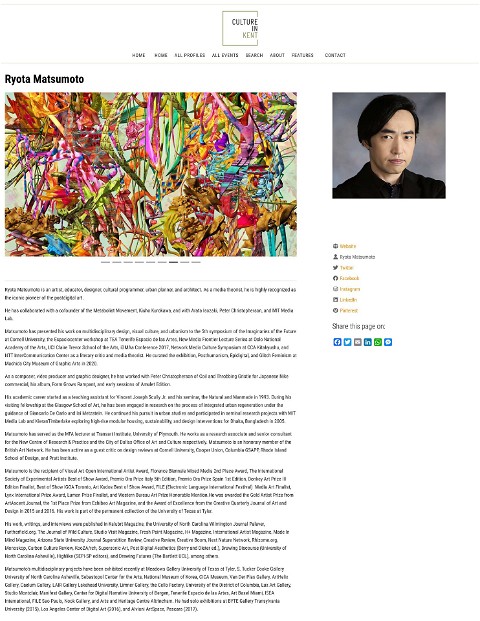
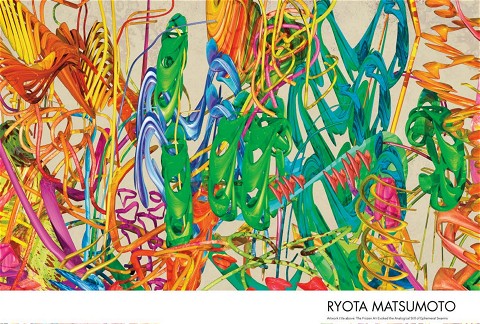
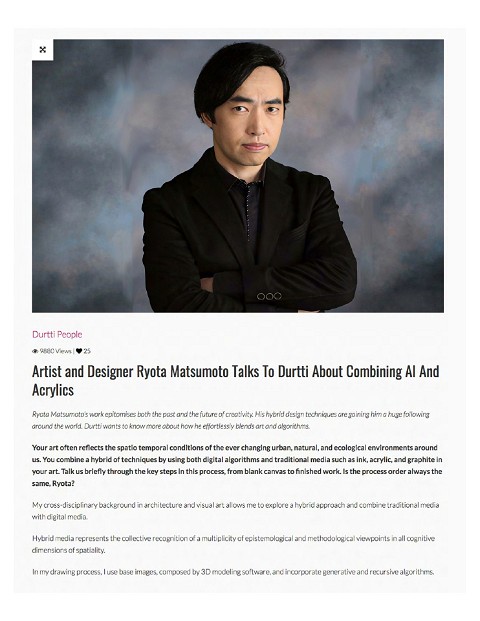
Ryota Matsumoto (松本良多) is an artist, educator, designer, cultural programmer, urban planner, and architect. As a media theorist, he is highly recognized as the iconic pioneer of the postdigital culture.
He has collaborated with a cofounder of the Metabolist Movement, Kisho Kurokawa, and with Arata Isozaki, Peter Christopherson, and MIT Media Lab.
Matsumoto has presented his work on multidisciplinary design, visual culture, and urbanism to the 5th symposium of the Imaginaries of the Future at Cornell University, the Espaciocenter workshop at TEA Tenerife Espacio de las Artes, New Media Frontier Lecture Series at Oslo National Academy of the Arts, UCI Claire Trevor School of the Arts, iDMAa Conference 2017, Network Media Culture Symposium at CCA Kitakyushu, and NTT InterCommunication Center as a literary critic and media theorist. He curated the exhibition, Posthumanism, Epidigital, and Glitch Feminism at Machida City Museum of Graphic Arts in 2020.
As a composer, video producer and graphic designer, he has worked with Peter Christopherson of Coil and Throbbing Gristle for Japanese Nike commercial, his album, Form Grows Rampant, and early sessions of Amulet Edition.
His academic career started as a teaching assistant for Vincent Joseph Scully Jr. and his seminar, the Natural and Manmade in 1993. During his visiting fellowship at the Glasgow School of Art, he has been engaged in research on the process of integrated urban regeneration under the guidance of Giancarlo De Carlo and Isi Metzstein. He continued his pursuit in urban studies and participated in seminal research projects with MIT Media Lab and KieranTimberlake exploring high-rise modular housing, sustainability, and design interventions for Dhaka, Bangladesh in 2005.
Matsumoto has served as the MFA lecturer at Transart Institute, University of Plymouth. He works as a research associate and senior consultant for the New Centre of Research & Practice and the City of Dallas Office of Art and Culture respectively. Matsumoto is an honorary member of the British Art Network. He has been active as a guest critic on design reviews at Cornell University, Cooper Union, Columbia GSAPP, Rhode Island School of Design, and Pratt Institute.
Matsumoto is the recipient of Visual Art Open International Artist Award, Florence Biennale Mixed Media 2nd Place Award, The International Society of Experimental Artists Best of Show Award, Premio Ora Prize Italy 5th Edition, Premio Ora Prize Spain 1st Edition, Donkey Art Prize III Edition Finalist, Best of Show IGOA Toronto, Art Kudos Best of Show Award, FILE (Electronic Language International Festival) Media Art Finalist, Lynx International Prize Award, Lumen Prize Finalist, and Western Bureau Art Prize Honorable Mention.He was awarded the Gold Artist Prize from ArtAscent Journal, the 1st Place Prize from Exhibeo Art Magazine, and the Award of Excellence from the Creative Quarterly Journal of Art and Design in 2015 and 2016. His work is part of the permanent collection of the University of Texas at Tyler.
His work, writings, and interviews were published in Kalubrt Magazine, the University of North Carolina Wilmington Journal Palaver, Furtherfield.org, The Journal of Wild Culture, Studio Visit Magazine, Fresh Paint Magazine, H+ Magazine, International Artist Magazine, Made In Mind Magazine, Arizona State University Journal Superstition Review, Creative Review, Creative Boom, Next Nature Network, Rhizome.org, Monoskop, Carbon Culture Review, KooZA/rch, Supersonic Art, Post Digital Aesthetics (Berry and Dieter ed.), Drawing Discourse (University of North Carolina Asheville), Highlike (SEPI-SP editors), and Drawing Futures (The Bartlett UCL), among others.
Matsumoto’s multidisciplinary projects have been exhibited recently at Meadows Gallery University of Texas at Tyler, S. Tucker Cooke Gallery University of North Carolina Asheville, Sebastopol Center for the Arts, National Museum of Korea, CICA Museum, Van Der Plas Gallery, ArtHelix Gallery, Caelum Gallery, LAIR Gallery Lakehead University, Limner Gallery, the Cello Factory, University of the District of Columbia, Lux Art Gallery, Studio Montclair, Manifest Gallery, Center for Digital Narrative University of Bergen, Tenerife Espacio de las Artes, Art Basel Miami, ISEA International, FILE Sao Paulo, Nook Gallery, and Arts and Heritage Centre Altrincham. He had solo exhibitions at BYTE Gallery Transylvania University (2015), Los Angeles Center of Digital Art (2016), and Alviani ArtSpace, Pescara (2017).

関連スライド

各ページのテキスト
TraMod Tradition + Modernity International Academy for Studying Interactions between [ Tradition + Modernity ] in Architecture & Design HOME ABOUT TRAMOD TRAMOD TALKS TRAMOD PROJECTS TRAMOD EVENTS | WORKSHOPS CONTACT US TraMod TALKS with Japanese Architect Ryota Matsumoto | The Shared Mnemonic Nature of Tradition can evoke an Awareness of Time +Tra ModTALKS with Japanese Architect Ryota Matsumoto www.TraModAcademy.com Read Javad Eiraji's Exclusive Interview with Japanese Architect Ryota Matsumoto Ryota Matsumoto is an artist, educator, and architect based in New York and Tokyo. As a media theorist, he is regarded as the forefather of the post-digital art and architecture movements. Born in Tokyo, he was raised in Hong Kong and Japan. He received a Master of Architecture degree from the University of Pennsylvania in 2007 after his studies at the Architectural Association in London and Mackintosh School of Architecture, the Glasgow School of Art in the early 90s. Over the years, he has studied with Manuel DeLanda, Vincent Joseph Scully Jr., Cecil Balmond, and Giancarlo De Carlo, among others. Matsumoto has collaborated with a cofounder of the Metabolist Movement, Kisho Kurokawa, and with Arata Isozaki, Peter Christopherson, and MIT Media Lab As a designer and consultant for Nihon Seikei Inc. and Japanese railway, he has worked on high-profile projects including Kyushu University Ito Campus masterplan (2003-2005), Shinjuku redevelopment project in Tokyo (2009-2012), Bach Mai Hospital in Hanoi (2000), and Qingdao mixed-use development in China (2011). Matsumoto has presented his work on multidisciplinary design, visual culture, and urbanism at the 5th symposium of the Imaginaries of the Future at Cornell University, the Espaciocenter workshop at TEA Tenerife Espacio de las Artes, Oslo National Academy of the Arts, UCI Claire Trevor School of the Arts, iDMAa Conference 2017, Network Media Culture Symposium at Machida Museum of Graphic Arts, and NTT InterCommunication Center as a literary critic and curator Javad Eiraji: Would you please share a short biography of yourself and your firm with us
Ryota Matsumoto: I started out as a practicing architect mainly involved in urban planning and civic building design. I spent several years in Vietnam and China supervising various redevelopment projects that were under construction. Currently, I manage my own studio and also work as an academic, teaching interdisciplinary design and visual arts Javad Eiraji: How do you see the contemporary architecture of the world? Is there an interaction between tradition and modernity in today's architecture? What do architects/designers pay attention to Ryota Matsumoto: The proliferation of digital media has led to a society that is increasingly focused on the accumulation and dissemination of information rather than on the cultivation of knowledge. With the multiple data streams and ubiquitous network connectivity, information is instantaneously available and omnipresent. This trend is leading toward an entropic form of technological consumerism, and eventually, could cause the technological instability of ethical life built on the co-evolutionary process with an epiphylogenetic memory. In that context, I regard local culture as the reappraisal of the exteriorization process involving noetic activity to overcome the increasing loss of spiritual individuation caused by successive phases of technological remediation. The shared mnemonic nature of tradition can evoke an awareness of time that opens the possibility of retention-pretention and ultimately deep attention to cultural transmission. Hence, tradition as a form of knowledge culture can disrupt the generalized polarization of the consumer's existence and reinstate humans as autonomous individuals in the contemporary network of human-non-human relationships Javad Eiraji: Is it needed to use the past in today's architecture and design? Is it related to identity? How can we do this mission Ryota Matsumoto: In the realm of design thinking, the past is not simply the chronological sequence of historical events. Instead, I regard the past as the intermediary agency consisting of the accumulated knowledge, experience, and cultural heritage that is transmitted across generations through the adaptation of technology as collective memory. In that respect, the past as the memory machine of tradition is not a fixed or static spatio-temporal entity but rather a constantly evolving and dynamic flux of pre-individual potentialities intertwined with a metastable agency. As Bernard Stiegler argues, our relationship to the past is essential to our ability to navigate the present and the future, and our employment of technology is a crucial factor in concretizing such techno-human relations. The advent of digital technologies has fundamentally transformed the way that the past, as a form of collective memory, is transmitted and received, and we need to develop new ways of engaging with the past in the digital age. Overall, I perceive the notion of the past as a complex and dynamic phenomenon that is deeply interwoven with the epigenetic memory of technology and the broader socio-cultural contexts in which it is embedded Javad Eiraji: Have you any project (built or unbuilt) which interaction between tradition and modernity can be seen in it Ryota Matsumoto: The Ito Sustainable Water Treatment Plant located in the Kyushu prefecture in the west region of Japan certainly encapsulates both realms I mentioned in response to previous questions considering the intertextual relationship between collective memory and technology. Despite being a short-term project confined within the preconfigured context of the built site, the project reflects the scale, degree of density, and inter-objectivity of urban space as a multivalent nexus of urban experiences, indigenous traits, and socio-economic conjunctures
Javad Eiraji: Do you think this kind of design thinking (tradition + modernity) can be focused in academic studies and educations? Is it needed for today's architecture in our society Ryota Matsumoto: Considering the progress of our collective individuation as social entities through technological advancement in the last 10 years or so, I believe that knowledge creation and its dissemination will continue to be shaped by a multivalent interplay of sociocultural and techno-pharmacological agents through our interaction with technical artifacts. This includes the way in which we create, share, and transmit knowledge about both tradition and modernity across generations as well as the underlying technologies that we use to facilitate the externalization of collective memory as tertiary retentions. One area of interest for me is the impact of digital technologies on collective memory and the ways in which we construct narratives about the past in the academic realm. With the rise of social media and other participatory platforms, we are seeing a multi-literacies approach to engaging with historical memory that challenges traditional modes of archival practices and documentation. Rather than relying on a few authoritative sources to construct a historical narrative, people are able to share their personal stories and experiences with others, creating a rich tapestry of historical memory shaped by a diverse range of perspectives through participatory media. In short, everyone is able to contribute to the externalization of collective memory from the mnemonic capabilities of networked mediation. I am fascinated by the new modes of engaging with historical memory in academic studies and how they pave the way for more inclusive and sustainable representations of sociocultural artifacts. Our understanding of the past is not only formulated by the content of historical narratives but also by the technological context in which they are presented as epiphylogenetic constructs in the educational environment Javad Eiraji: Which factors (forms, meaning, function, user) must be studied in combination of tradition and modernity in architecture Ryota Matsumoto: The study of tradition and modernity in architectural education requires a multifaceted and transversal approach that takes into account a broad range of heterogeneous factors related to the underlying substructure of the socio-cultural activities. There are some crucial factors that should be considered. First, architecture is not confined within the preconceived notion of place-temporality; it also encompasses the collective individuation of socio-cultural milieus. The study of tradition and modernity in architectural education should explore the techno-cultural morphology of epiphylogenesis and how they relate to the social, political, and economic contexts in which they were created. Second, the study of tradition and modernity in architectural education should consider how the spatio-temporal attributes of place-making and design have evolved over time. This encompasses the study of how tradition is inextricably related to the local cultures in the sociocultural context and how modern architecture embraces the empirical process of the technical maieutics. Finally, architecture is ultimately prescribed to create a spatial experience in a symbiotic relationship with humans, and the study of tradition and modernity in architectural education should consider how different modalities of spatial semiotics have been incorporated and experienced by heterogeneous local cultures. This includes the study of how traditional architecture is formulated to meet the ethnographic convention-ambience of specific communities and how modern architecture is designated to accommodate the cultural multiplicity of increasingly diverse and globalized assemblages.By incorporating the above-mentioned factors into one's academic studies, one can develop and explore transversality in the modes of thought and expression that are immanent in the creative synergy between tradition and modernity, thereby fostering a holistic and inclusive approach toward architecture that is both sustainable and contextually respectful of cultural heritage Images ©: Ryota Matsumoto TraMod Tradition + Modernity International Academy for Studying Interactions between [ Tradition + Modernity ] in Architecture & Design Istanbul, Türkiye +90-531-51-00-888 @TraModAcademy [email protected]